
Embedded analytics platform
Put AI analytics right where your customers work.
Sisense embeds governed AI and analytics inside the products you build, under your brand, on your data, with flexible APIs and SDKs.
So you can ship with confidence.
Book a demo

Give users room to explore.
Deliver interactive, self-service analytics that let users ask questions, analyze data, and find answers without leaving your product.

Shape AI around your product.
White-label, customize, and extend analytics with flexible components and plugins.

Keep analytics grounded and governed.
Use the semantic layer, governance, and semantic enrichment to keep definitions consistent, give AI richer context, and enforce access controls.








Bring analytics into the AI experiences your users already use.
Connect AI tools and workflows to Sisense with APIs and MCP, providing access to governed metrics and relationships within each user’s permissions. Let users explore data and build interactive charts without rebuilding your analytics infrastructure.

Empower users to get answers on their own.
Deliver interactive, self-service analytics and embedded AI that let users ask questions, explore data, and uncover insights without relying on data teams or developers for every new question or report.
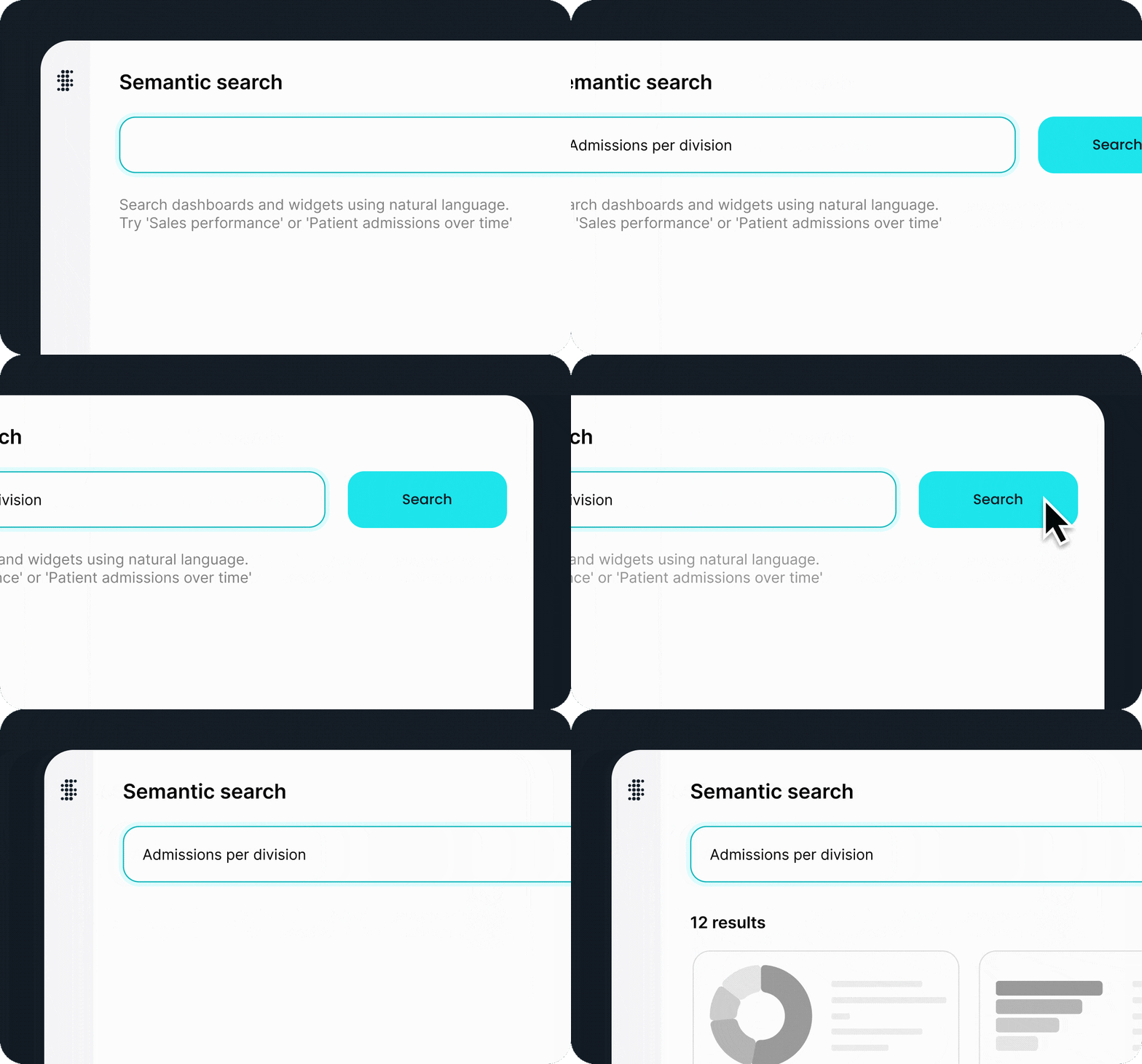
Make analytics feel native to your product.
Control how analytics looks, behaves, and fits into your application. White-label the experience, customize components. Then extend it with plugins and developer tools, without building analytics from scratch.
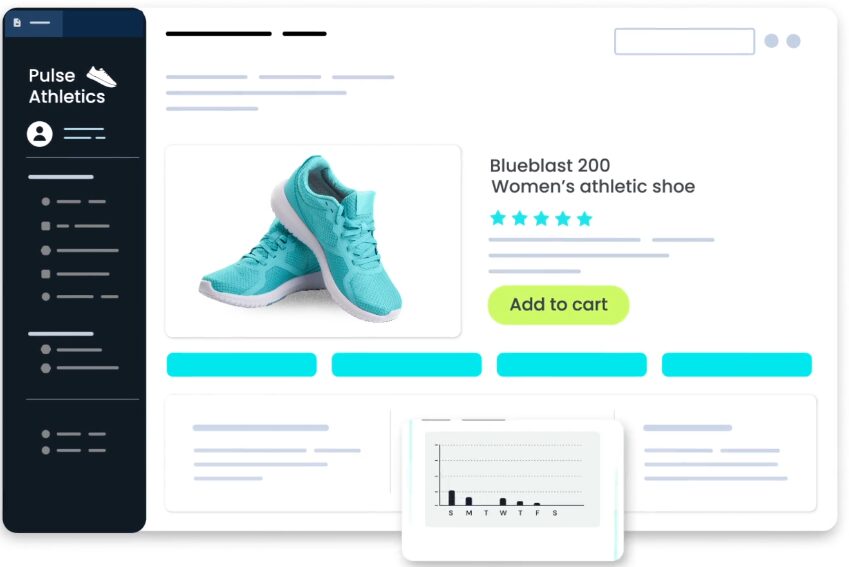
Keep AI and analytics grounded in business logic.
Define metrics, relationships, and access rules in a governed semantic layer, so users and AI work from consistent definitions. Use semantic enrichment to give AI richer context about the data while keeping your team in control of what it can access.
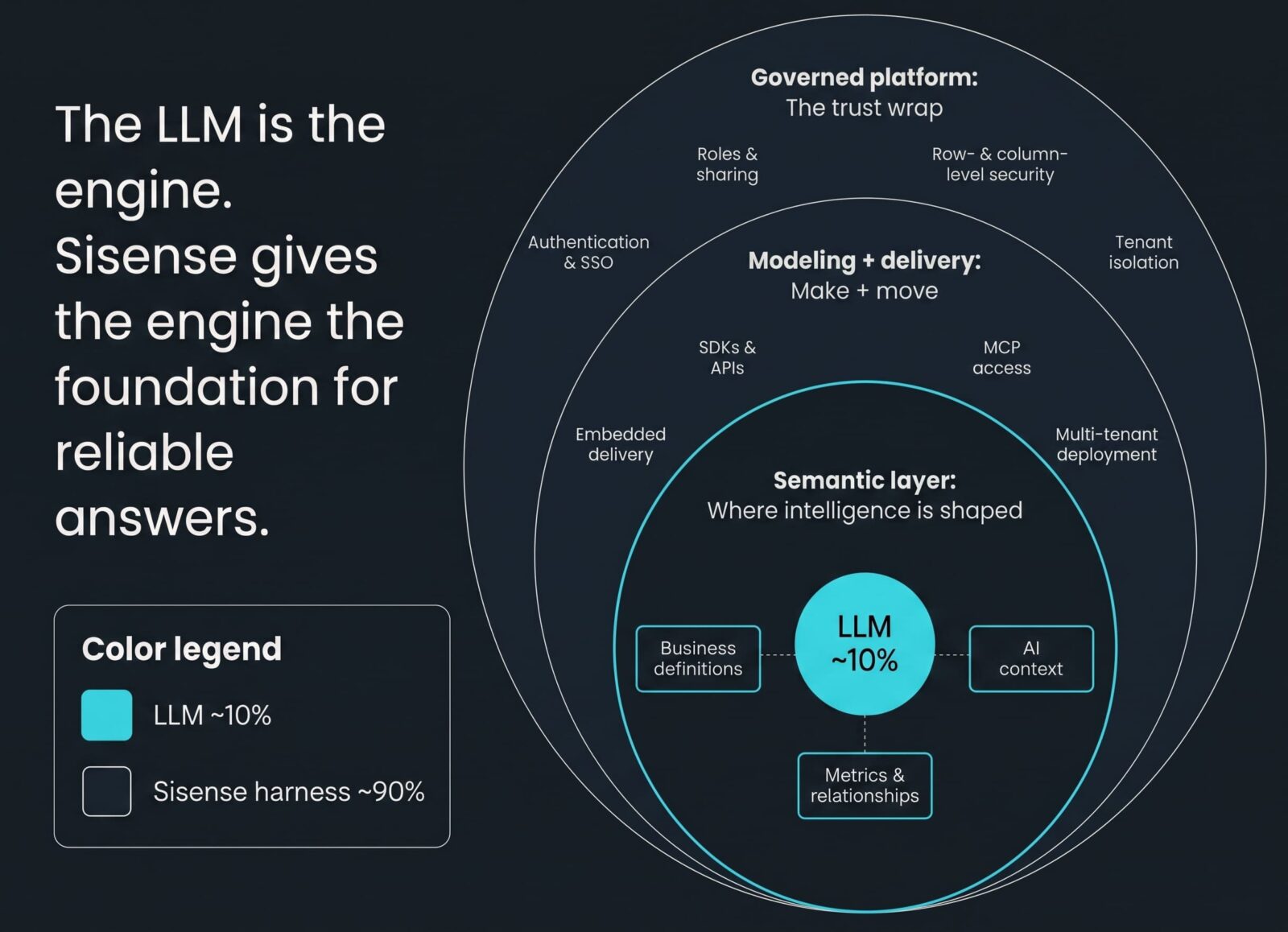
Build AI-powered analytics into your product

White-label and customize

AI-powered insights

Customer success and training

Developer-first APIs

Self-serve AI analytics

Enterprise-grade security
Embedded analytics FAQ
Embedded analytics are data visualization and reporting tools built directly into your existing software applications. Instead of switching between different platforms to view reports and dashboards, you access all your analytical insights within the applications you already use daily.
Embedded analytics connect to your data sources and present information through APIs, widgets, or iframe integrations within your host application. The process starts when your application makes requests to the analytics engine, which then processes your data and returns formatted visualizations or reports.
Embedded analytics provides real-time data insights directly within applications, eliminating the need to switch between platforms. Key benefits include improved user experience, faster decision-making, increased user engagement, and seamless workflow integration. Organizations experience higher adoption rates and reduced training costs while maintaining consistent branding across all analytics touchpoints.