
AI analytics use cases: Examples that drive faster, smarter decisions across industries

- Blog
- AI analytics fundamentals and trends
Product leaders have a rapidly growing range of options for adding AI to their analytics experiences. But integrating AI for its own sake doesn’t move the needle. A predictive model or natural-language assistant is only as valuable as the business question it answers or the development it speeds up. To get real value from AI analytics, you need to identify the AI analytics use cases that actually matter for your end-users, organization, and bottom line.
The organizations getting real value from AI analytics start with the problem, not the technology: anticipating demand rather than reacting to it, identifying potential issues before they impact revenue, or using data to support preventive maintenance or care.
Across financial services, healthcare, retail, and manufacturing, the same principle applies: connect the AI features to a specific problem and outcome based on AI data analytics use cases that make sense for the business. For software creators, that means going one step further: embedding those capabilities directly into the products and workflows where customers already make decisions and take action.
Read on to discover practical AI analytics examples from a range of industries, and how they drive results for both end-users and software creators.
What are AI analytics use cases?
AI analytics help end-users and software creators make data more useful and actionable. They bridge the gap between questions, answers, and conversation, without requiring end-users to be data experts.
AI analytics can drive concrete business outcomes: uncovering patterns, predicting outcomes, recommending actions, or making insights more accessible.
The technology that drives these insights can be applied across a wide variety of platforms and industries. End-user use cases drive more accessible data insights, like flagging a loss risk before it happens, generating dynamic data-driven narratives, or getting insights more easily with generative AI analytics.
For software creators, embedded AI analytics support use cases that impact internal operations (such as reducing engineering load and increasing development velocity) as well as customer engagement, retention, and their product’s overall competitive edge.
Look at how AI is driving the future of analytics, from ML to GenAI
Read whitepaper
AI analytics use cases across industries
Effective AI analytics are embedded into your workflows on a foundation of governed data. While the foundation remains the same, the application of AI analytics can vary widely across industries and goals.
Financial services example: Fraud detection and risk monitoring
Financial institutions process enormous transaction volumes, making it challenging to identify suspicious activity quickly. Patterns can be hard to recognize, and outdated processes make it difficult for internal teams and end-users alike to proactively detect and monitor fraud.
AI analytics can close that gap by continuously monitoring transaction data, using machine learning to detect emerging unusual patterns, proactively alerting users to anomalies, and helping them decide what to do next.
Key AI analytics example use cases:
- For software creators: Embed in-app tracking of fraud activity, like new schemes or geographic fraud trends, and proactively distribute those findings with alerts directly in the platform.
- For end-users: Flag suspicious activity on an account in real time, trigger alerts or next-step actions before the issue escalates.
Healthcare example: Patient risk and care insights
Healthcare companies have access to vast volumes of highly regulated data, from medical records and test results to real-time health monitoring. The challenge is turning that data into timely, actionable insights.
Healthcare apps with integrated AI features and embedded AI predictive analytics can surface patterns, risk signals, and care gaps that would otherwise be difficult to identify. AI can analyze information from medical records, test results, and connected devices to surface potential health risks and other meaningful signals. In sum, it can provide in-platform recommendations and health summaries.
At scale, this data can be aggregated and anonymized to help organizations identify broader trends and opportunities to improve care.
Key AI analytics example use cases:
- For software creators: Embed AI-powered predictive analytics and proactive insights into healthcare applications to increase the platform’s value and usefulness for healthcare practitioners.
- For end-users: Clinicians and admins using these apps can leverage predictive data to identify patient risk, surface gaps in care, and make interventions earlier.
See how companies use AI to transform data
Unlock a competitive edge by making analytics accessible and actionable for every user, technical or not.
Read whitepaper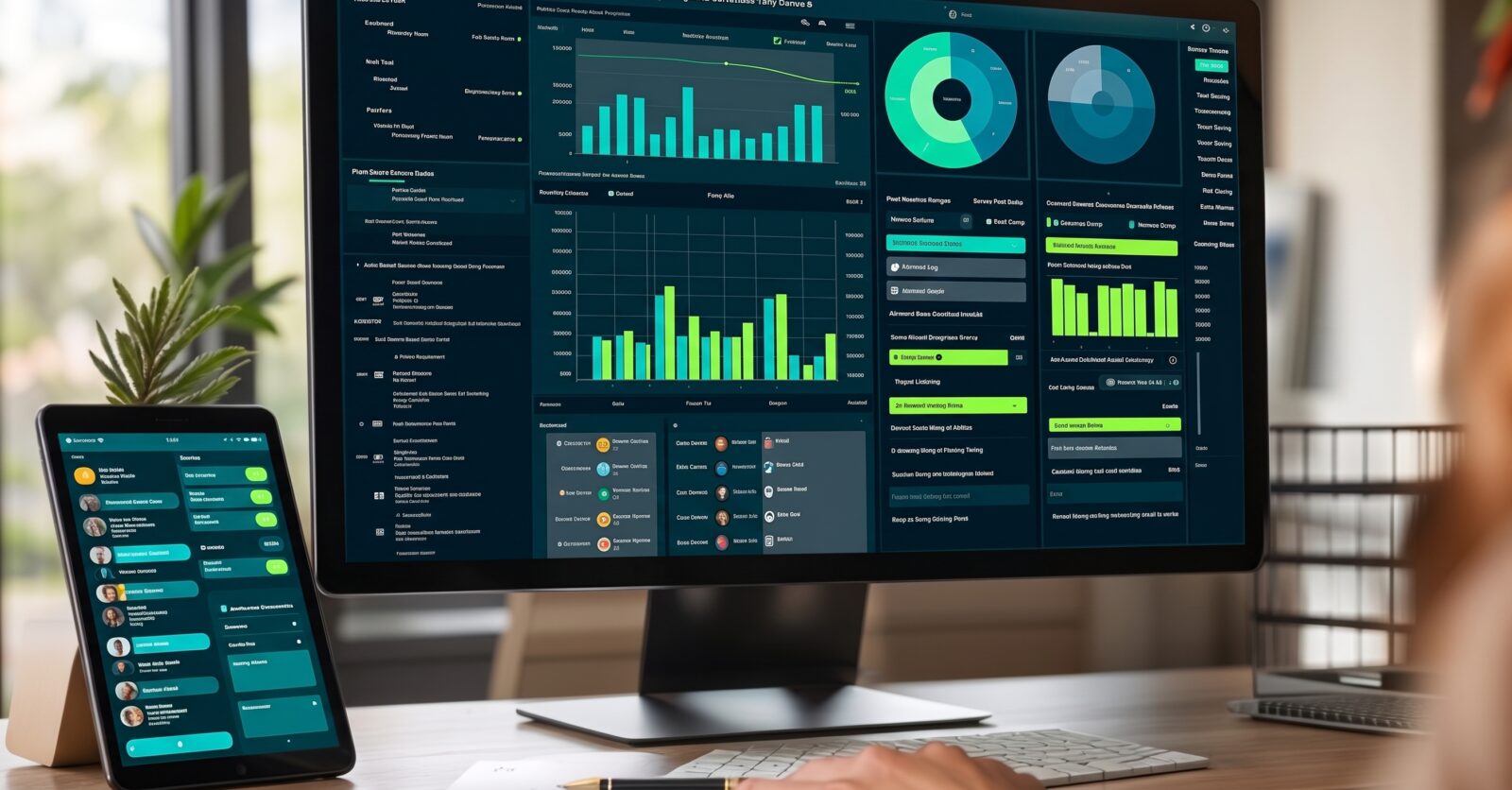
Retail and e-commerce example: Personalization and demand forecasting
Retail and e-commerce businesses rely on the ability to anticipate demand: to understand what customers want before they actually search for it. AI analytics can make that process easier by combining purchasing history, browsing behavior, and broader sales trends to create a more complete view of customer behavior and demand.
This enables retailers to shift from reactive to proactive approaches to personalization, customer experience, and inventory management. Embedded AI leverages these insights to identify patterns and anticipate demand, enabling companies to act proactively rather than waiting for trends to emerge.
Key AI analytics example use cases:
- For software creators: Integrate predictive recommendations and demand forecasting into platforms, pulling from CRM data, apps, POS systems, and any other data source.
- For end-users: Deliver more targeted, personalized recommendations to shoppers based on the combination of their actual behavior, historical data, and broader sales trends.
Explore 5 powerful retail and e-commerce analytics use cases
Read whitepaper
Manufacturing and supply chain example: Predictive maintenance and operational monitoring
Unplanned downtime is one of the costliest problems in manufacturing and supply chain operations. Preventing it is one of the most valuable AI analytics use cases. With visibility into real-time data, teams can continuously analyze equipment and operational data. AI surfaces the patterns and anomalies that precede failure, which are often difficult or labor-intensive to catch before the failure occurs.
By surfacing changes in equipment performance and operational trends, teams can anticipate maintenance needs before they become emergencies.
Key AI analytics example use cases:
- For software creators: Embed white-labeled analytics experiences in operational tools to provide branded insights to clients and partners.
- For end-users: Operations managers and quality engineers use dashboards to track real-time equipment performance and trends, plus receive proactive alerts to prevent failures and downtime.
Turning AI analytics use cases into software product experiences
No matter your industry, AI analytics can play a range of roles in your product strategy:
- Predictive alerts to surface emerging risks
- In-context recommendations to power personalization and identify next steps
- Anomaly detection to identify easy-to-miss patterns or issues
- Natural language exploration that lets anyone ask a question and receive an answer
- Automated summaries that turn raw data into actionable narratives
AI analytics use cases go beyond just adding “more analysis.” Data becomes more powerful when it’s delivered in context. Software creators can capitalize on that value by bringing AI insights directly into their platform, where the workflows and decisions are already happening. A fraud alert only helps if it reaches the right people before the transaction clears. A demand forecast only creates value if it informs inventory and planning decisions while there’s still time to act. Where the intelligence lives is what determines its value.
Additionally, these insights are only valuable when they’re grounded in governed data, semantic context, and appropriate security controls.
That’s the real opportunity for software creators: embed the right intelligence into the moments when end-users need it most. Done well, AI analytics can turn data into experiences that help people make faster, more informed decisions. Those experiences, in turn, make your application itself more useful, differentiated, and valuable.
See how AI-powered analytics enhance your product
Create intuitive, in-app data experiences that drive adoption and engagement.
Watch demo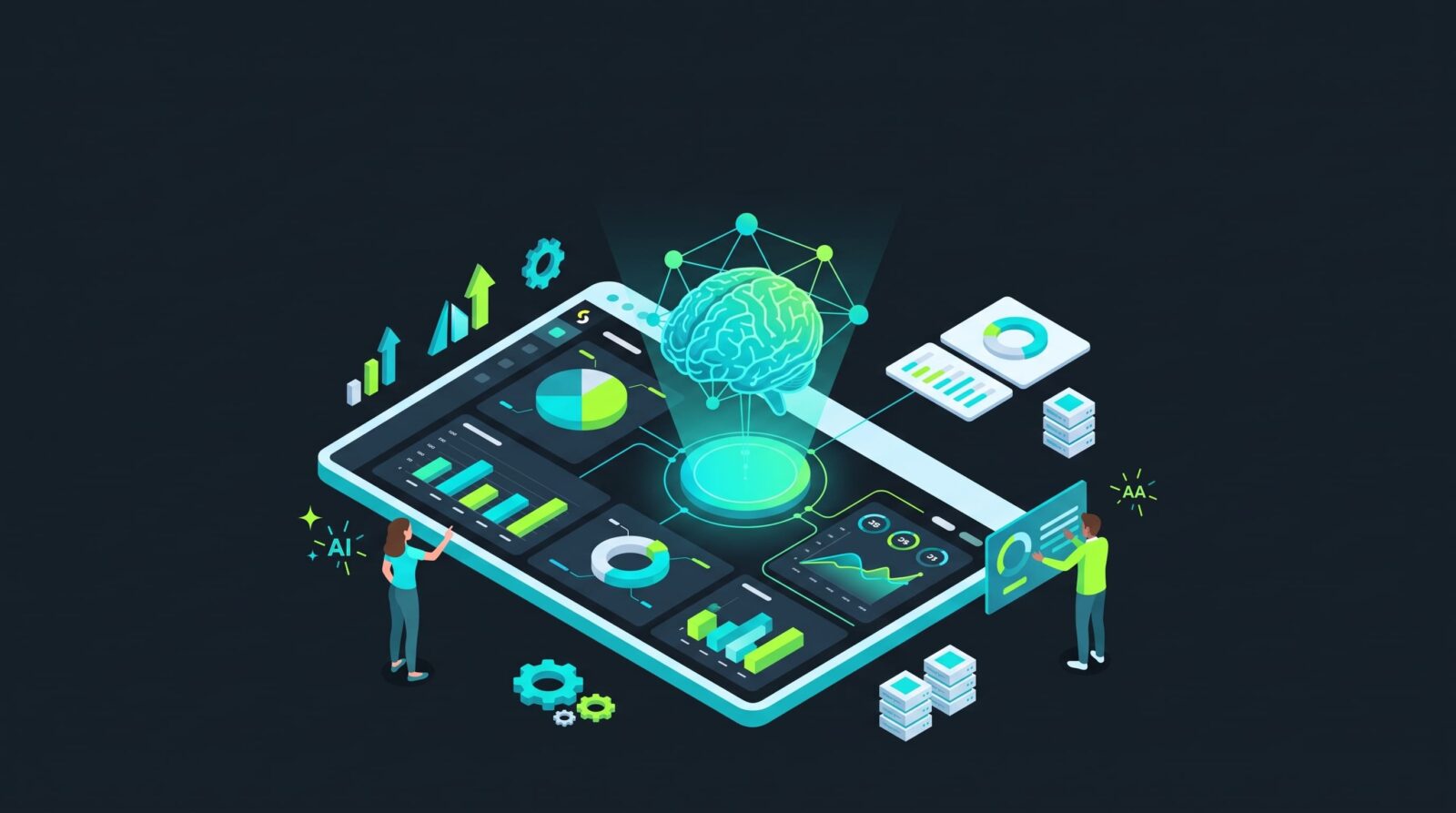
How Sisense supports AI analytics use cases
These use cases depend on more than AI capabilities alone. They need a foundation that connects AI to trusted, governed data and enables the delivery of intelligence directly within the product experience.
Sisense brings analytics and AI together so software creators can turn capabilities like natural language exploration, automated narratives, and predictive insights into experiences end-users can access and apply in context. Underneath those experiences is a semantic layer that defines what the data means, so AI doesn’t invent a metric the business never approved or surface one tenant’s data in another’s view. That foundation also helps software creators deliver AI experiences grounded in governed metrics, trusted context, and tenant-safe data.
Because AI is built on the same analytics foundation, not bolted on, software creators can embed predictive alerts, anomaly detection, and conversational exploration directly into their application, on data they can trust. This reduces the need to stitch together disconnected data, analytics, and AI tools. Plus, product and developer teams get a consistent foundation they can adapt across use cases.
Whether the goal is flagging fraud, surfacing care gaps, or powering real-time personalization, the opportunity is the same: put trusted intelligence where end-users need it, with the data, context, and controls to help them act. It all rolls up to AI analytics use cases that increase your product’s competitive edge.
Get expert guidance on building smarter, AI-powered analytics workflows
Book a demo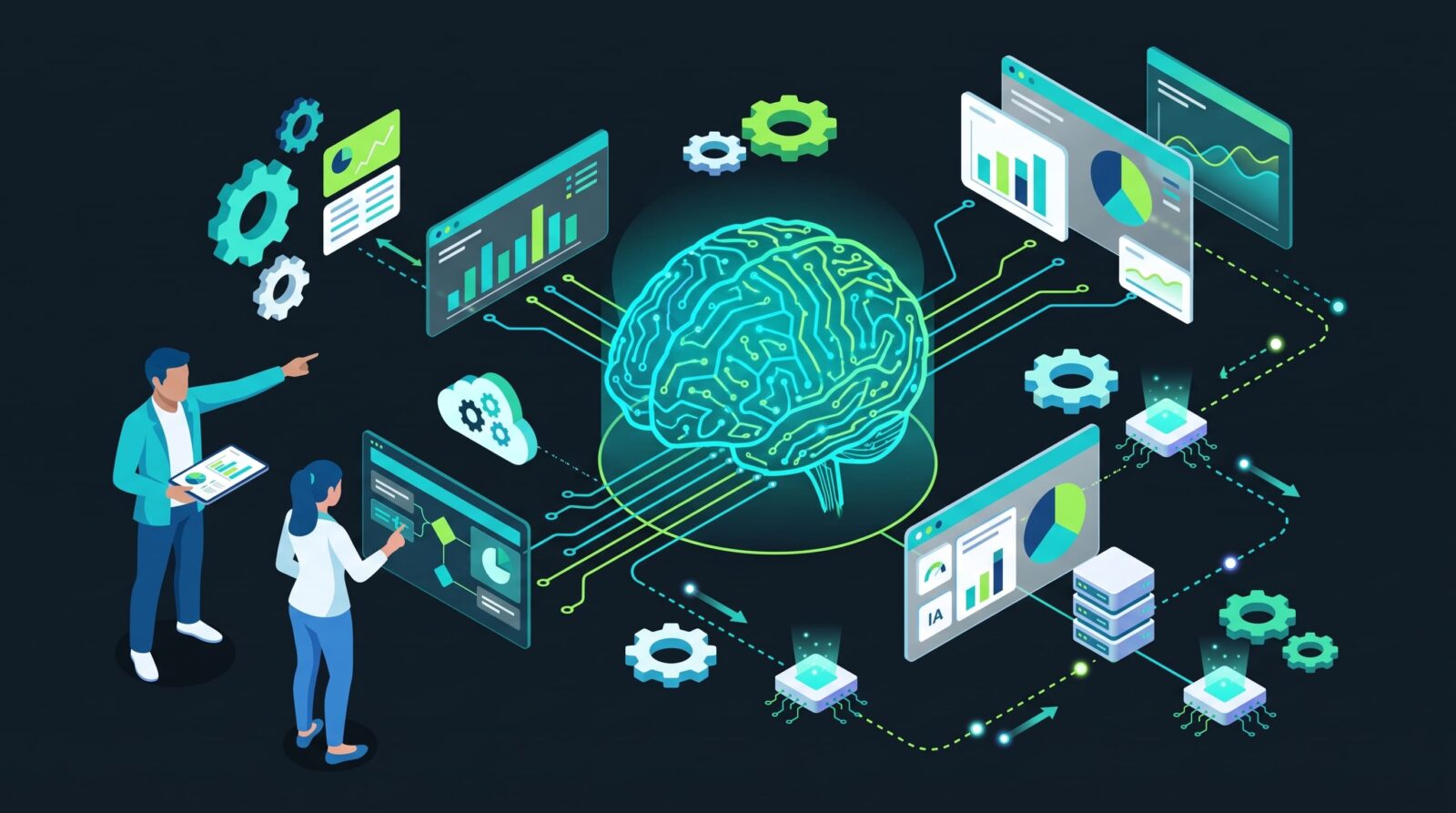
AI analytics use cases: Frequently asked questions
What are common AI analytics use cases?
Common AI analytics use cases include fraud and anomaly detection, demand and maintenance forecasting, personalized recommendations, predictive maintenance, and natural-language access to insights. In each case, AI helps surface patterns, predict outcomes, or make data easier to understand, so teams can act faster.
Which industries use AI analytics?
AI analytics can support use cases across nearly every industry, including financial services, healthcare, retail and e-commerce, manufacturing, supply chain, and software products. The specific use cases shift depending on the available data and the business problem being solved, but the underlying value remains consistent across all of them: faster, sharper decisions.
How are AI analytics use cases different from traditional analytics?
Traditional analytics is largely descriptive and diagnostic: it tells you what happened and helps explain why. AI analytics builds on that analytics foundation with predictive, prescriptive, generative, and automated capabilities: surfacing patterns, forecasting what’s likely to happen next, and recommending or even triggering action.



Subscribe to the Sisense newsletter
Get monthly insights on building smarter products with AI-powered analytics, from industry trends to real Sisense use cases.